Mammoth Long Island Dill 1000+Seeds – Heirloom Herb Seeds – Tall Aromatic Dill for Pickling
Mammoth Long Island Dill 1000+Seeds – Heirloom Herb Seeds – Tall Aromatic Dill for Pickling
Couldn't load pickup availability
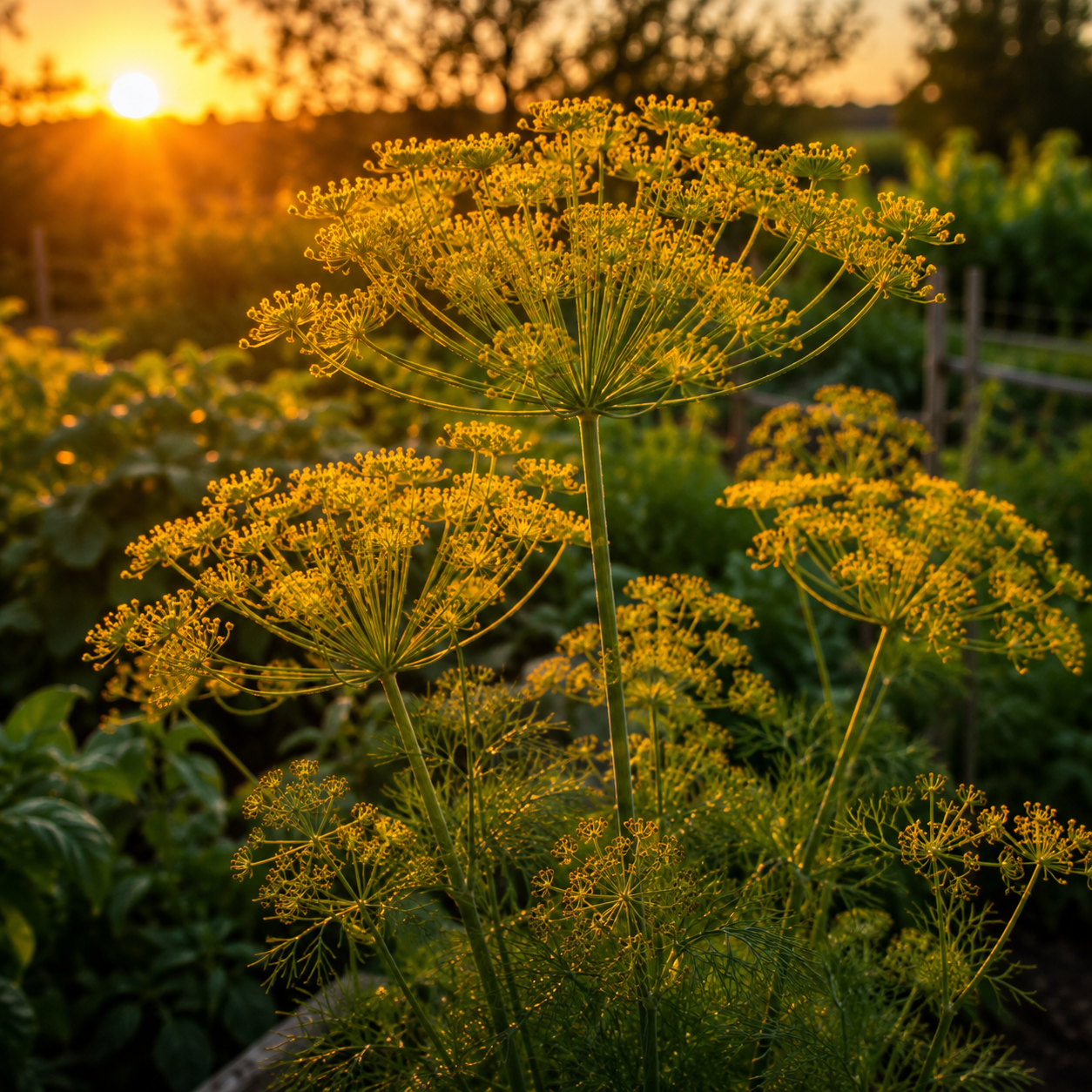
Grow tall, fragrant plants packed with classic dill flavor with Mammoth Long Island Dill Seeds. This traditional heirloom variety is especially prized for its abundant foliage, large flower heads, and excellent use in homemade pickles.
Mammoth Long Island produces feathery blue-green foliage with a fresh aromatic flavor that complements potatoes, cucumbers, fish, salads, sauces, soups, and dips. As plants mature, they develop large golden-yellow flower umbels that are beautiful in the garden and useful for pickling and seed production.
Its tall, vigorous growth makes it a striking addition to herb gardens, vegetable beds, cottage gardens, and pollinator-friendly plantings.
Plant Details
- Variety: Mammoth Long Island Dill
- Botanical Name: Anethum graveolens
- Type: Culinary Herb
- Life Cycle: Annual
- Growth Habit: Tall, upright
- Plant Height: Approximately 3–5 feet
- Foliage: Fine, feathery blue-green leaves
- Flowers: Large yellow umbels
- Flavor: Fresh, aromatic, classic dill flavor
- Days to Leaf Harvest: Approximately 40–60 days
- Days to Seed: Approximately 85–100 days
- Sun: Full sun
- Season: Cool to mild weather
- Uses: Pickling, fresh herbs, cooking, garnishing and seed harvest
- Garden Uses: Herb gardens, vegetable beds, cottage gardens and pollinator plantings
Growing Info
- When to Plant: Direct sow outdoors in spring after the danger of severe frost has passed and soil can be worked. Dill generally performs best when direct sown because its long taproot dislikes transplanting.
- Planting Depth: Sow approximately ¼ inch deep.
- Spacing: Thin seedlings to approximately 8–12 inches apart once established.
- Row Spacing: Allow approximately 18–24 inches between rows.
- Sunlight: Plant in full sun, ideally receiving at least 6 hours of direct sunlight daily.
- Soil: Grow in loose, fertile, well-draining soil. Avoid overly wet locations.
- Watering: Keep soil consistently moist while seeds germinate and plants establish. Mature plants prefer even moisture without waterlogged soil.
- Succession Planting: Sow small batches every few weeks during suitable weather to maintain a longer supply of fresh dill foliage.
- Harvesting Leaves: Snip fresh foliage as needed once plants are well established.
- Harvesting Flower Heads: Cut mature flower heads for pickling when flowers are fully developed.
- Harvesting Seeds: Allow flower heads to mature and dry on the plant before collecting the aromatic seeds.
Why You’ll Love It
- Classic heirloom dill variety
- Excellent choice for homemade pickles
- Tall, vigorous plants
- Produces abundant aromatic foliage
- Large decorative yellow flower heads
- Fresh leaves are excellent for cooking
- Harvest both foliage and seeds
- Beautiful addition to cottage gardens
- Great companion for a kitchen garden
- Easy to direct sow
- Excellent for raised beds
- Attractive feathery foliage
- Wonderful garden-to-kitchen herb
🌿 Happy growing!
Proudly American-Owned Small Business!
Share